Introduction
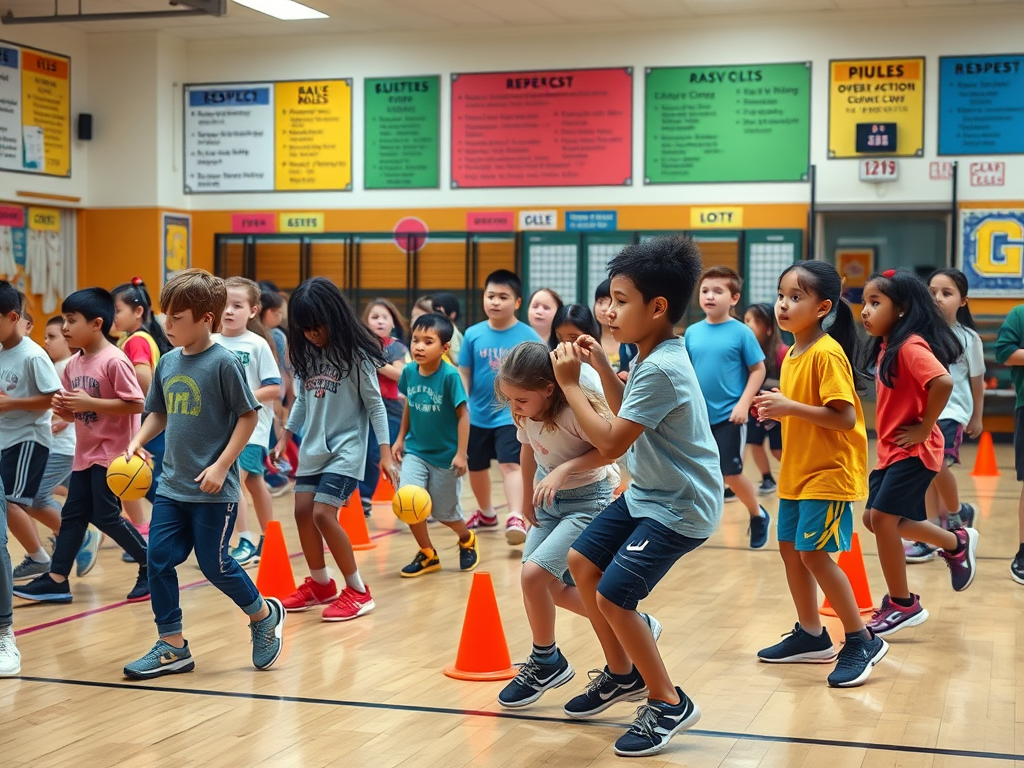
Middle school is a time of rapid change—physically, emotionally, and socially. In physical education (PE), this makes setting clear expectations not just helpful but critical. PE is a space where students are up and moving, interacting closely with peers, and often outside the traditional classroom structure. Without clear boundaries and routines, this energy can quickly become chaotic. But with thoughtful planning and consistent messaging, PE becomes a space where students thrive—learning not just about fitness, but responsibility, respect, and teamwork.
In this post, we’ll explore five essential strategies for establishing and maintaining clear expectations in your middle school PE class—with real-life examples that can be implemented right away.
1. Communicate Rules and Procedures Early and Often
Why it matters: Students need to know what is expected of them before they can meet those expectations. PE classrooms are unique in that movement, interaction, and freedom are inherent—but that freedom must be balanced with structure.
How to do it:
Start each semester with a dedicated expectations day. Walk students through everything from how to enter the gym, where to sit for warm-ups, how to handle equipment, to how to transition between stations. Don’t just talk—demonstrate. Use role-play scenarios to show both appropriate and inappropriate behavior. Invite students to ask questions or even help create class norms.
Example: Instead of just saying “treat equipment with care,” show students how to carry cones, return balls, or use jump ropes correctly. Post these instructions in visuals around the equipment area.
2. Model the Behavior You Expect
Why it matters: Middle schoolers watch adults closely—sometimes more than we realize. If we ask for respect but don’t show it, or preach enthusiasm but act bored, students notice.
How to do it:
Bring energy to your instruction, be patient in your redirections, and always use respectful language. Acknowledge when something goes wrong and explain how you’ll address it calmly and fairly. This builds trust.
Example: Before a game of ultimate frisbee, model how to positively encourage teammates or help an opponent up after a fall. By showing sportsmanship first, you create a tone of mutual respect that’s hard to ignore.
3. Use Visual Aids and Environmental Cues
Why it matters: Not all students respond to verbal instruction alone. Visual learners, English language learners, and students with ADHD or autism benefit from consistent visual reminders and clear cues.
How to do it:
Create posters that highlight key expectations (e.g., “Be Safe, Be Respectful, Be Active”). Use cones or colored dots to guide activity zones. Try laminated routine cards for students who need extra support. Reinforce behavioral expectations using color-coded signs or hand signals.
Example: Use a “noise meter” poster with movable arrows to indicate appropriate voice levels: red = silent, yellow = low voices, green = team talk. Students quickly associate the visuals with behavior adjustments.
4. Give Clear Instructions and Ongoing Feedback
Why it matters: Students can’t meet expectations if they don’t understand them. In a fast-paced class like PE, clear, simple instructions make all the difference.
How to do it:
Break directions into bite-sized steps. Demonstrate, then check for understanding. During activities, circulate and offer quick feedback—positive or corrective.
Example: During a fitness circuit, say: “At station one, you’ll do 10 jumping jacks. I’ll clap once to signal a switch. Let’s practice the switch together now.” Then walk through a dry run with them before starting.
Bonus Tip: Use positive narration—“I see Josie keeping both feet behind the line during her toss—great job following the rules!”
5. Be Consistent with Consequences (and Celebrate Successes!)
Why it matters: Inconsistency erodes trust. Students are more likely to test boundaries if the consequences aren’t predictable or fair. Clear consequences don’t have to be harsh—but they must be reliable.
How to do it:
Create a simple progression of consequences (e.g., verbal warning → reflection → parent contact). Reinforce expectations each day—not just when things go wrong. Just as importantly, recognize when things go well.
Example: Use a “Positive Participation Chart” where students earn stars or shout-outs for demonstrating effort, leadership, or teamwork. Celebrate success during cool-downs or weekly wrap-ups.
And remember: Discipline isn’t about punishment—it’s about teaching. Help students connect behavior to impact and guide them toward better choices.
Conclusion
Setting clear expectations in middle school physical education is about more than just rules—it’s about building a culture. A culture of mutual respect. A culture of effort. A culture where students understand how to be successful, feel safe taking risks, and enjoy learning through movement.
By communicating early, modeling consistently, supporting with visuals, offering feedback, and following through with fair consequences, you’re not just teaching students how to behave in PE—you’re teaching them how to be responsible, respectful, and resilient citizens.
Let’s keep setting the tone—because in middle school PE, every movement matters.
Leave a Reply